




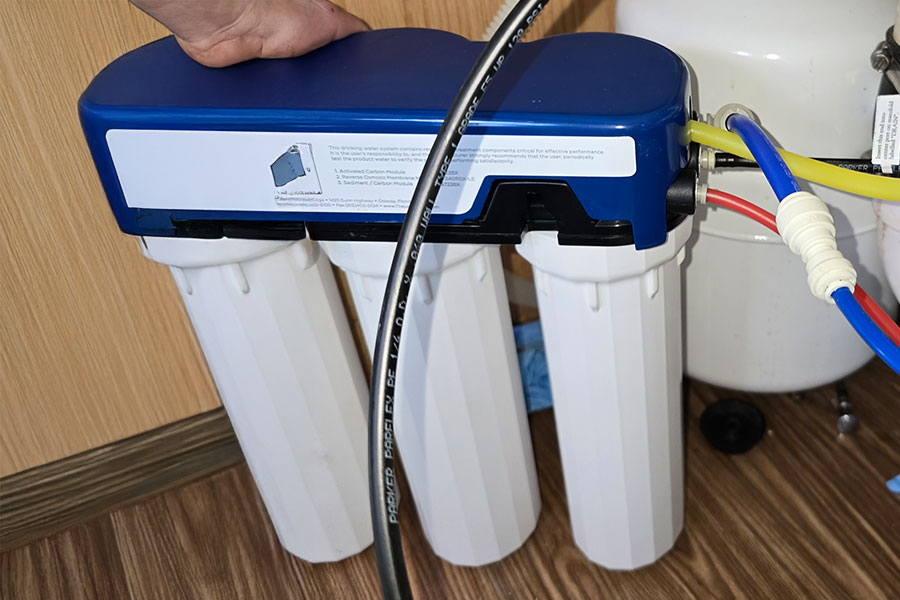
Think of your home’s water supply as the lifeblood of your household; it needs to be clean and safe. In Carrollton, ensuring your water quality can seem intimidating, but it doesn’t have to be. There are practical, eco-friendly filtration solutions at your fingertips. By making informed choices, you can protect your family’s health and the environment. Let’s explore essential tips that can transform your water quality and promote a healthier lifestyle.
Understanding Water Contaminants in Carrollton
What do you know about the water contaminants lurking in Carrollton’s supply? It’s vital to stay informed. Common contaminants can include heavy metals like lead and copper, harmful bacteria, and even chlorine byproducts.
These substances can seep into your water through aging pipes or during the treatment process. You mightn’t notice changes in taste or smell, but they can still affect your health.
Understanding these risks empowers you to take action. Regular testing of your water can help identify any issues. You should also be aware of local reports on water quality. Additionally, consider the importance of clean water for your family’s health and well-being.
Educating yourself about these contaminants and their sources equips you with the knowledge to make informed decisions. By staying proactive, you can guarantee you’re providing safe, clean water for your family.
Choosing the Right Water Filtration System
When choosing the right water filtration system, you first need to assess your specific water quality needs. Next, explore various filtration types to find one that best suits your situation. Remember to take into account installation requirements to guarantee a smooth setup process. Additionally, consider the benefits of water softener installation to further enhance your home’s water quality and protect your plumbing.
Assess Water Quality Needs
Evaluating your water quality needs is essential for choosing the right filtration system.
Start by testing your water to identify contaminants like chlorine, lead, or bacteria. You can use home testing kits or hire a professional for more accurate results.
Once you know what’s in your water, consider your household’s specific needs—like the number of family members and daily water consumption.
Consider whether you need a whole-house system or a point-of-use filter for specific taps. Also, consider your budget and maintenance preferences.
Explore Filtration Types
As you explore filtration types, it’s important to understand the various options available to find the best fit for your home.
Here are three popular filtration systems to evaluate:
- Activated Carbon Filters: These are great for removing chlorine, sediment, and volatile organic compounds (VOCs), improving taste and odor.
- Reverse Osmosis Systems: Ideal for purifying water by removing a wide range of contaminants, including heavy metals and pathogens, providing clean, safe drinking water.
- UV Purification: This method uses ultraviolet light to eliminate bacteria and viruses, ensuring your water is free from harmful microorganisms.
Consider Installation Requirements
Understanding the different filtration types is just the beginning; installation requirements play a key role in selecting the right system for your home.
You’ll want to evaluate whether you prefer a point-of-use system, like a faucet filter, or a whole-house unit. Each option comes with different plumbing needs, so check your existing setup.
For example, some systems might require professional installation, while others you can install yourself with basic tools. Don’t forget to take into account the space available for the unit and any necessary maintenance access.
Additionally, review your home’s water pressure and plumbing materials, as these factors can influence compatibility. By assessing these installation requirements, you’ll guarantee a seamless integration of your new water filtration system.
The Benefits of Activated Carbon Filters
Activated carbon filters can transform your water by effectively removing contaminants, leaving you with cleaner, safer drinking options. You’ll notice an improved taste and odor, making hydration much more enjoyable. Plus, these filters are a cost-effective solution that won’t break the bank while ensuring your water quality. Additionally, reliable water heater systems can further enhance your home’s water quality by ensuring efficient operation from day one.
Effective Contaminant Removal
Utilizing activated carbon filters can significantly improve the removal of harmful contaminants in clean and safe drinking water.
These filters are highly effective for several reasons:
- Adsorption Power: Activated carbon has a vast surface area, allowing it to trap impurities like chlorine, pesticides, and volatile organic compounds (VOCs) efficiently.
- Chemical Reduction: They can reduce heavy metals and other harmful chemicals, improving your water’s safety for everyday consumption.
- Microbial Control: Some activated carbon filters also help in reducing bacteria and other pathogens, contributing to healthier water.
Improved Taste and Odor
A simple upgrade to your water filtration system can greatly enhance the taste and odor of your drinking water.
Activated carbon filters are a fantastic choice for this purpose. They effectively trap impurities like chlorine, sediment, and volatile organic compounds, often contributing to unpleasant tastes and odors. When you install one, you’ll notice a crisp, clean flavor that makes hydration more enjoyable.
Plus, these filters are eco-friendly, reducing the need for bottled water and minimizing plastic waste. You’ll also find that your food and beverages taste better when prepared with filtered water.
Cost-Effective Water Solution
Improving your water’s taste and odor isn’t just about enjoyment—it can also lead to significant savings.
Activated carbon filters are a cost-effective solution that enhances drinking water and is also good for your wallet in the long run.
Here are three benefits you can enjoy:
- Affordable Maintenance: These filters require less frequent replacements than other systems, reducing ongoing costs.
- Energy Efficiency: Unlike reverse osmosis systems, activated carbon filters don’t use electricity, saving you on energy bills.
- Extended Appliance Life: By removing contaminants, they protect your plumbing and appliances, minimizing costly repairs.
Switching to activated carbon filters is a smart choice for both your health and your budget.
Enjoy clean water without breaking the bank!
Exploring Reverse Osmosis for Pure Water
How can reverse osmosis transform your water quality? This innovative filtration method effectively removes contaminants, delivering pure, great-tasting water right from your tap.
By pushing water through a semi-permeable membrane, reverse osmosis eliminates impurities like lead, chlorine, and bacteria, ensuring you and your family drink only the best.
Installing a reverse osmosis system in your home can greatly improve the safety and flavor of your water. You’ll notice the difference in your cooking, coffee, and even your ice cubes!
Plus, your appliances may last longer with fewer contaminants, saving you money in the long run. Additionally, utilizing advanced leak detection technology can help you identify any potential water leaks that may compromise your water quality.
Another bonus? Using reverse osmosis reduces the need for bottled water, helping the environment by cutting down on plastic waste.
Installing a Whole-House Water Filtration System
Installing a whole-house water filtration system can transform your water quality, providing clean and safe water from every tap in your home.
You’ll enjoy the benefits of improved taste and reduced contaminants while protecting your plumbing and appliances.
Let’s take a closer look at the installation process and how it can enhance your everyday life.
Benefits of Whole-House Systems
While you might be familiar with individual water filters, a whole-house water filtration system offers an all-encompassing solution that benefits your entire home.
This system guarantees that every tap delivers clean, safe water, providing several key advantages:
- Improved Water Quality: You’ll enjoy better-tasting water that’s free from contaminants, chemicals, and odors, enhancing your overall health.
- Convenience: You won’t need to replace multiple filters or carry bottled water, making daily hydration easier and more sustainable.
- Cost-Effective: Investing in a whole-house system can save you money over time by reducing plumbing issues and prolonging the lifespan of appliances.
Installation Process Overview
With the benefits of a whole-house water filtration system in mind, understanding the installation process can help you make informed decisions.
First, you’ll need to choose a suitable location, typically near your main water supply line. Next, gather the necessary tools and equipment, including pipes, fittings, and the filtration unit itself.
If you’re comfortable with plumbing tasks, you can attempt a DIY installation, but hiring a professional guarantees it’s done right.
Once the system is in place, test the water flow and monitor for leaks. Don’t forget to schedule regular maintenance to keep your system functioning efficiently.
The Importance of Regular Filter Maintenance
Regular filter maintenance is essential for ensuring your water remains clean and safe to drink, as neglected filters can lead to a buildup of contaminants that may affect your health.
By staying on top of maintenance, you will protect yourself and extend the life of your filtration system.
Here are three key reasons why you should prioritize regular filter maintenance:
- Health Safety: Clogged filters can harbor bacteria and other harmful substances, compromising your water quality and your well-being.
- Cost-Effectiveness: Replacing filters regularly can help prevent costly repairs from more extensive plumbing issues caused by neglected systems.
- Optimal Performance: Well-maintained filters work efficiently, ensuring you receive the best water quality and taste.
Eco-Friendly Water Filter Options
When you’re looking to reduce your environmental footprint, choosing eco-friendly water filter options is a smart move.
Consider activated carbon filters, which not only improve taste and odor but also use sustainable materials. They’re widely available and can be easily replaced and recycled, minimizing waste.
Another great choice is reverse osmosis systems. While they may use more water than other types, many modern units are designed to be efficient and reduce plastic waste from bottled water.
If you prefer a more natural approach, ceramic filters are effective and can be reused for years with proper care.
Lastly, look for filters that are certified by organizations like NSF International, ensuring that they meet environmental standards.
Utilizing Natural Water Filtration Methods
While many people rely on commercial filters for clean water, utilizing natural water filtration methods can be an effective and sustainable alternative.
You can harness the power of nature to guarantee your drinking water is pure and safe. Here are three simple methods to take into account:
- Activated Charcoal: You can create your own filter using activated charcoal. Place it in a container with water, and it’ll absorb impurities and odors.
- Sand and Gravel: Layer sand and gravel in a container. As water passes through, these materials trap particles, providing a basic level of filtration.
- Plants: Certain plants like water hyacinth can help purify water. They absorb nutrients and toxins, effectively cleaning the water as they grow.
Reducing Plastic Waste With Reusable Water Bottles
By choosing reusable water bottles, you not only take a step towards a healthier lifestyle but also greatly reduce plastic waste.
Every time you opt for a reusable bottle over a single-use plastic one, you help decrease the staggering amount of plastic that ends up in landfills and oceans. This simple switch can markedly lower your carbon footprint.
Reusable bottles come in various styles and materials, from stainless steel to glass, allowing you to find one that suits your taste.
By refilling your bottle throughout the day, you guarantee you’re drinking enough water while skipping the harmful chemicals found in some plastics.
Plus, many reusable bottles are designed to keep your drinks cold or hot for hours, enhancing your overall hydration experience.
Educating Your Family on Water Safety Practices
Making the switch to reusable water bottles not only benefits the environment but also opens up important conversations about water safety within your family.
By discussing water quality and safety, you can empower everyone to make informed choices. Here are three key practices to share with your family:
- Understand your water source: Learn where your drinking water comes from and any potential contaminants that may be present in your area.
- Regularly check filters: If you use a filtration system, guarantee everyone knows how to maintain it. Change filters as recommended to keep water clean and safe.
- Educate on signs of contamination: Teach your family to recognize changes in taste, color, or smell, and encourage them to report any concerns immediately.

Conclusion
By adopting these eco-friendly water filtration tips, you’re not just improving your home’s water quality; you’re also becoming a champion for the environment. Like a ripple in a pond, your small actions can create waves of positive change in Carrollton. Remember, every drop counts—so test your water, choose the right filtration system, and embrace reusable bottles. Together, let’s cultivate a healthier, more sustainable future for our families and the planet.