




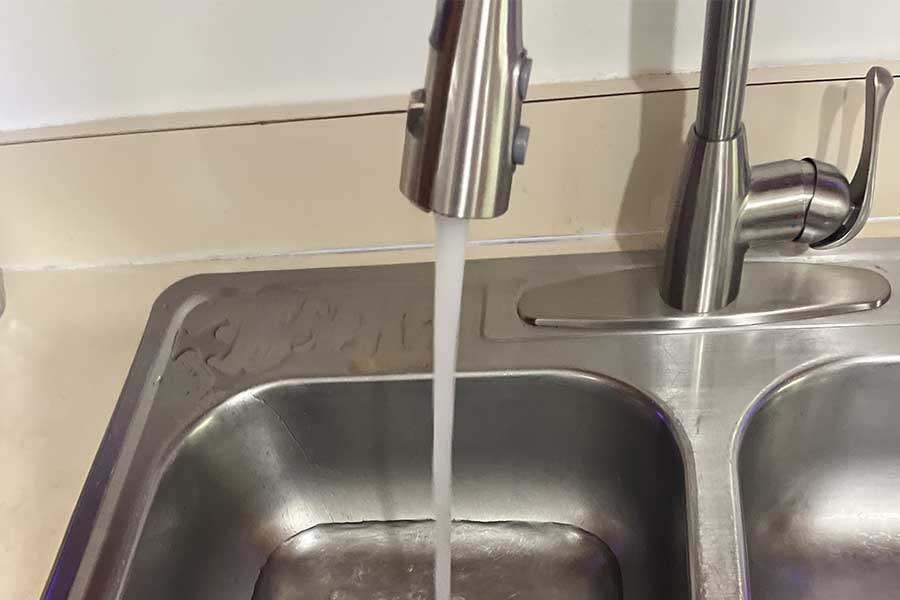
Did you know that nearly 10% of homes experience faucet leaks that waste gallons of water each day? If you’re facing issues with your faucets, you’re not alone. Addressing these problems can save you money and prevent further damage. From leaks to low water pressure, understanding how to tackle these common issues can make a significant difference in your home. Let’s explore the solutions and guarantee your faucets function smoothly.
Identifying Common Faucet Issues
When you notice water dripping from your faucet or hear strange noises, it’s important to identify the issue quickly to avoid further damage.
Start by checking for leaks around the handle or spout; this often points to a worn washer or O-ring. If the water flow is weak, debris might be clogging the aerator, so unscrew it for a quick clean.
You might also hear unusual sounds like banging or rattling. This could indicate loose pipes or water hammer, which requires immediate attention.
Additionally, if you notice fluctuating water temperatures, it might be a sign of issues with your water heater or mixing valve.
Don’t ignore these signs! Identifying the problem early can save you time and money down the line. Toilet repair and installation is essential for maintaining a healthy plumbing system.
Trust your instincts and take action; your faucet’s health directly impacts your plumbing system’s performance.
Tools and Materials Needed for Repairs
To tackle faucet repairs effectively, you’ll need a few essential tools and materials at your disposal.
Start with a set of screwdrivers—both flathead and Phillips—since you’ll encounter various screws. A pair of adjustable pliers will help you grip and turn nuts and fittings securely. You’ll also want a basin wrench, especially for hard-to-reach areas under the sink.
Don’t forget to grab some plumber’s tape, which guarantees a watertight seal when reassembling parts. A bucket or towel is handy too, as it catches any water that may spill during repairs.
Depending on the issue, replacement washers, O-rings, or cartridges might be necessary, so check your faucet type beforehand. Additionally, knowing how to handle repairs to full replacements can significantly enhance your repair process.
Finally, having a flashlight can illuminate dark spaces and make your work easier. With these tools and materials ready, you’re well-equipped to plunge into your faucet repair project.
Step-by-Step Guide to Fixing Leaky Faucets
Leaky faucets can be a nuisance, but fixing them doesn’t have to be an intimidating task. Start by turning off the water supply to the faucet.
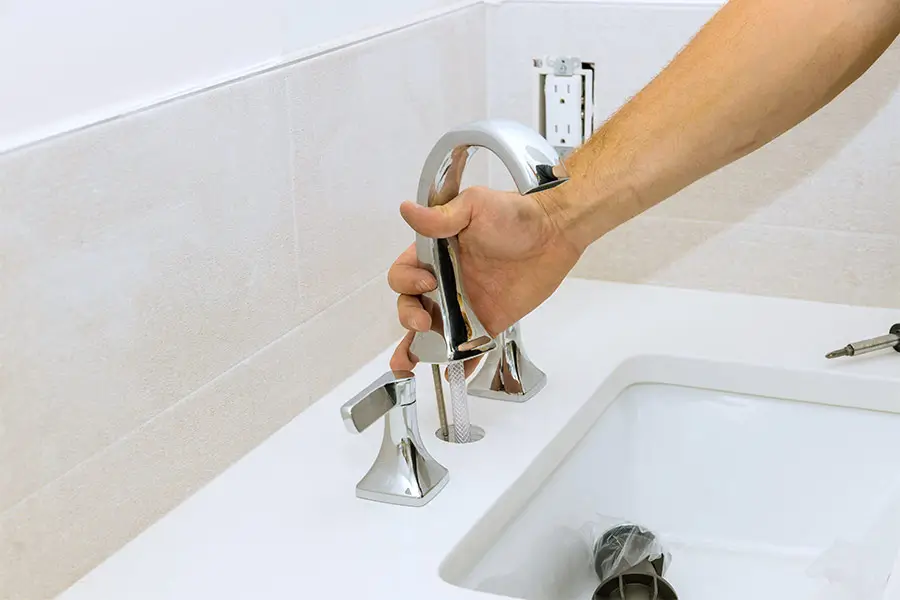
Next, remove the handle using a screwdriver or wrench, depending on your faucet type. Once the handle is off, check for any worn-out washers or O-rings—these are often the culprits behind leaks. Replace them with new ones that fit your faucet model.
After replacing the parts, reassemble the faucet in reverse order. Turn the water supply back on and test the faucet for leaks.
If it still drips, you might need to check the valve seat for damage or consider replacing the entire faucet. Remember, taking your time and being thorough will help guarantee a successful fix. If you run into trouble, don’t hesitate to call a professional for assistance, as trusted neighborly service can ensure reliable plumbing solutions.
How to Address Low Water Pressure in Faucets
Have you noticed a sudden drop in water pressure at your faucet? This can be frustrating, but it’s easy to fix.
First, check for any visible leaks in your plumbing. If everything looks fine, unscrew the faucet aerator and clean it. Mineral deposits can build up, restricting water flow. Soaking it in vinegar for a few hours often does the trick.
Next, inspect the water supply valves under your sink. Make sure they’re fully open; sometimes, they can be accidentally turned down.
If you still face issues, look for any pipe blockages or consider that your home might be experiencing low pressure from the municipal supply. Timely repairs are crucial to prevent further complications and ensure a reliable water supply, as main water line issues can lead to more significant problems if left unaddressed.
If the problem persists, it may be time to call in a professional. Don’t hesitate—addressing low water pressure can improve your daily routines and guarantee your faucet works efficiently.
Preventive Maintenance Tips for Faucets
While faucets may seem simple, regular preventive maintenance can keep them functioning smoothly for years. Start by checking for leaks periodically; even small drips can lead to larger issues down the line.
Clean aerators and showerheads every few months to prevent mineral buildup that can affect water flow. Inspect the supply lines for signs of wear or damage. Tighten loose handles and fixtures to ensure everything stays secure.
Additionally, consider running hot water through your faucets occasionally to help dissolve any buildup in the pipes. If you notice any unusual sounds or changes in water pressure, address them promptly.
Keep a record of maintenance tasks to track when you last performed each one. By staying proactive, you can avoid costly repairs and guarantee your faucets remain in top condition for years to come.
Conclusion
You can save time and money in the long run by staying proactive with your faucet maintenance. It might seem challenging to tackle repairs yourself, but with a few simple tools and this guide, you can handle common issues confidently. Remember, regular inspections prevent bigger problems down the line, ensuring your faucets work smoothly. Don’t wait for leaks or pressure drops to disrupt your routine—take charge of your faucet care today and enjoy reliable water flow in your home!