




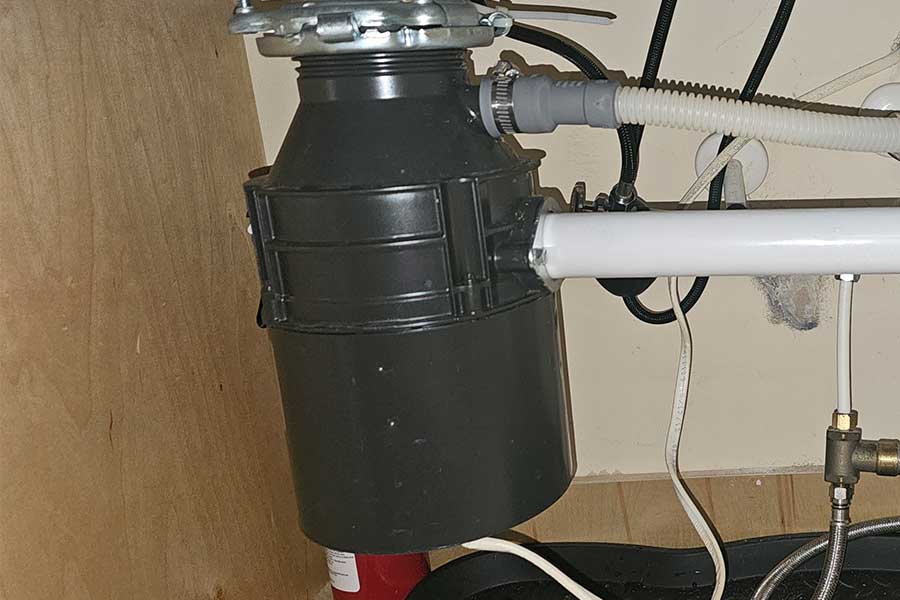
If you think your garbage disposal issues are too complicated for a simple fix, think again. Many common problems can be resolved with just a few troubleshooting steps. Understanding what’s wrong is the first step toward returning it to working order. So, what are the key signs to look for, and how can you address them effectively? Let’s explore the necessary solutions to get your disposal running smoothly again.
Common Reasons for Garbage Disposal Malfunctions
It can be frustrating when your garbage disposal isn’t working, especially if you’re unsure of the cause. Often, the issue stems from common problems that can be easily identified.
One major reason is a jammed disposal, typically caused by hard food items like bones or fibrous vegetables getting stuck. Another possibility is that the motor has burned out, which can happen if you frequently overload the unit.
Sometimes, simply forgetting to turn on the power switch or tripping the reset button can lead to malfunction. Additionally, a clogged drain can make it seem like your disposal isn’t functioning at all.
If you hear a humming sound but the blades aren’t spinning, it’s likely an electrical issue. Understanding these common reasons can help you pinpoint the issue and prepare for the next steps in resolving the malfunction. If problems persist, consider reaching out for expert garbage disposal installation to ensure your unit is functioning optimally.
Troubleshooting Steps to Identify the Issue
Start by checking a few key areas to troubleshoot your garbage disposal.
First, verify it’s plugged in and the outlet is functioning. If it’s plugged in, but the disposal won’t turn on, locate the reset button, usually found on the bottom of the unit. Press it to see if that resolves the issue.
Next, inspect for any jams. Turn off the disposal and use a hex wrench to rotate the blades, clearing any blockages manually. If you hear a humming noise without movement, it’s likely jammed.
Also, check the circuit breaker. A tripped breaker can cut power to the unit.
Lastly, confirm you’re not overloading the disposal with food waste, which can cause it to shut down. Regular plumbing maintenance can help prevent issues like this from occurring.
Safety Precautions Before Attempting Repairs
Before repairing your garbage disposal, it’s crucial to prioritize safety to prevent accidents. First, unplug the unit or turn off the circuit breaker to guarantee no power is running. This simple step can save you from serious injury.
Next, always use tools properly, and avoid using your hands to reach into the disposal. If you need to remove any debris, use tongs or pliers instead.
Wear safety goggles to protect your eyes from any flying debris, and consider gloves to shield your hands from sharp objects. Also, verify the work area is dry; water can create electrical hazards.
Stop immediately and assess the situation if you notice any unusual smells or smoke. By taking these precautions, you can safely troubleshoot your garbage disposal and avoid further complications. Additionally, having a reliable emergency plumbing service on speed dial can provide peace of mind in case your DIY efforts don’t resolve the issue.
When to Call a Professional for Help
- Persistent Jams or Clogs: If your disposal frequently jams or clogs after you’ve cleared it, it could signal a deeper issue.
- Unusual Noises: Loud grinding or rattling noises when running can indicate that something’s wrong internally.
- Leaking Water: If you notice water pooling under your sink or any leaks, it’s best to let a professional handle it.
Ignoring these signs can lead to more significant damage and costly repairs.
By contacting a qualified technician, you’ll guarantee that the problem is diagnosed correctly and resolved efficiently. Additionally, professional help can prevent future issues by utilizing advanced equipment to ensure your plumbing system remains in optimal condition.
Don’t hesitate to reach out for expert assistance!
Preventative Maintenance Tips for Your Garbage Disposal
Regular maintenance is essential to keep your garbage disposal running smoothly. Start by flushing it with hot water after each use to help break down food particles.
You can also grind ice cubes occasionally; this cleans the blades and removes buildup. Avoid putting fibrous foods down the disposal, like celery or onion skins, as they can clog it. Instead, dispose of these in your compost bin or trash.
Every month, try using a mixture of baking soda and vinegar to deodorize and clean the disposal. Pour half a cup of baking soda followed by half a cup of vinegar, let it fizz for a few minutes, then flush with hot water.
Finally, check the disposal’s rubber splash guard for wear and tear; replace it if necessary. Following these tips will help prevent issues and extend the life of your garbage disposal.
Conclusion
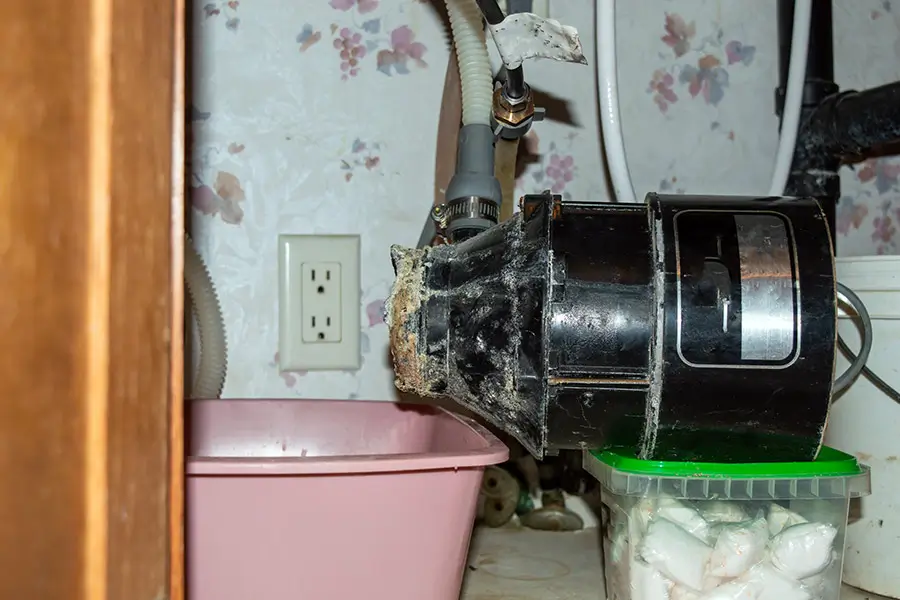
To sum up, tackling a malfunctioning garbage disposal can feel like maneuvering through a maze, but you can find your way out with a little patience and these tips. Remember to troubleshoot carefully, keep safety in mind, and don’t hesitate to call a pro when needed. By following preventative maintenance tips, you can keep your disposal running smoothly, turning kitchen scraps into a thing of the past. So roll up your sleeves and reclaim your kitchen today!